Tooth extraction: When is an extraction necessary?
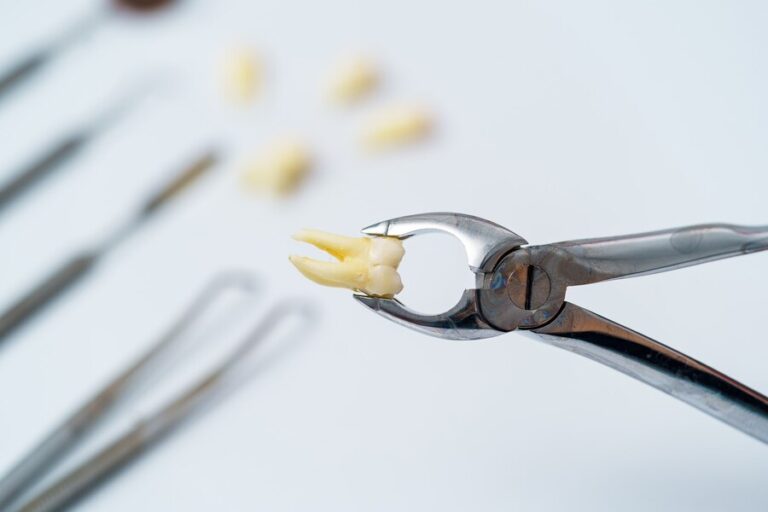
Tooth removal: What you need to know
When is tooth extraction necessary and what alternatives are there? Sometimes it is unavoidable to extract a tooth in order to improve your oral health.
Tooth removal is usually considered if:
A tooth is severely damaged and can no longer be saved.
There is a lack of space for other dental treatments.
The tooth is inflamed and other treatments have not helped.
At Dr. Zgkouri in Vienna, we will advise you comprehensively on the reasons for a possible tooth extraction and discuss the best alternatives and aftercare measures with you.
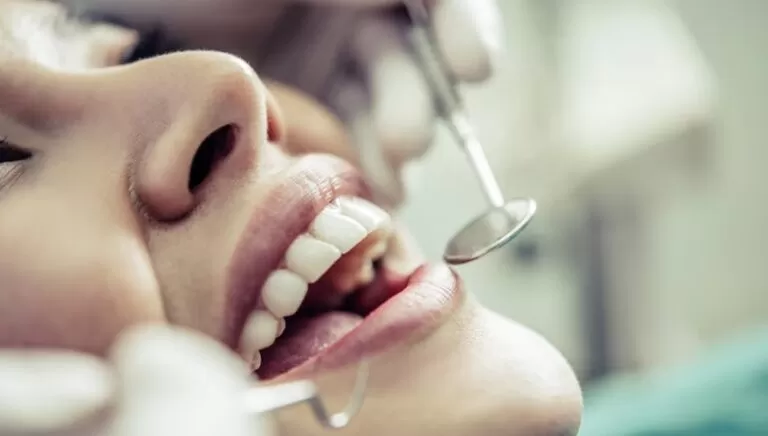
Dental surgery in Vienna
Our dental practice in Vienna offers a comprehensive range of dental surgery services.
Whether you need a dental implant, a tooth extraction or emergency treatment, our experienced team is at your disposal.
Treatment of toothache in Floridsdorf
Toothache can be very uncomfortable and often indicate a serious problem. Zanharzt in Floridsdorf is prepared to diagnose the cause of your toothache and provide the appropriate treatment, including surgical procedures.
Preparation and access
After a detailed patient consultation and local anesthesia, the gums in the affected area are opened to gain access to the root of the tooth.
01
Removal of the infected tissue
The inflamed tissue and the root tip are removed.
02
Cleaning and treatment of root canals
The root canals are cleaned and filled if necessary.
03
Wound care and suturing
The area is thoroughly cleaned and the gums are stapled back together.
04
Follow-up examination
A post-operative X-ray can be performed to check the success of the procedure.
05
Aftercare and instructions
The patient receives instructions for follow-up care, including pain management, infection prevention and dietary adjustments.
06
Why is an extraction necessary?
Severe caries
If a tooth is so badly damaged by caries that it can no longer be repaired, extraction is necessary.
Infections
In the case of a severe tooth infection or abscess that cannot be treated by root canal treatment, the tooth must be removed to stop the infection.
Periodontal diseases
Advanced gum disease can lead to loosening and loss of tooth-supporting tissue, which requires extraction.
Overcrowding
If there is a lack of space in the mouth, e.g. before orthodontic treatment, an extraction may be necessary to correct the position of the teeth.
Overcrowding
Severely deformed or maldeveloped teeth can be extracted to improve oral health.
Wisdom teeth
Wisdom teeth that have no space or are misaligned and cause pain or infection often have to be removed.
Tooth trauma
Severely damaged teeth caused by accidents or injuries that cannot be repaired must be extracted.
Failed root canal treatments
If root canal treatment has not been successful and the tooth continues to cause problems, extraction is the best solution.
After tooth extraction: important tips for good healing
To ensure quick and problem-free healing after your tooth extraction, please note the following points:
What you should do (Do's):
- Keep calm: Allow yourself sufficient rest and avoid strenuous activities for at least 24 hours.
- Cooling: Cool the affected area externally with ice packs (cool for 20 minutes, rest for 20 minutes) to reduce swelling.
- Take painkillers: If necessary, take painkillers according to your dentist's instructions.
- Eat soft food: Eat soft, easy-to-chew foods such as soups, yogurt or mashed potatoes for the first few days.
- Observe oral hygiene: Brush your teeth carefully, but avoid the extraction site. Rinse your mouth carefully with a mild saline solution (1/2 teaspoon of salt in a glass of warm water) after every meal.
- Watch out for bleeding: Slight blood loss is normal. Change the compress every 30-45 minutes until the bleeding subsides.
What you should avoid (Don'ts):
- Do not rinse (on the day of the procedure): Avoid vigorous rinsing of the mouth on the day of the procedure as this may interfere with blood clotting.
- Do not smoke: Smoking delays healing and increases the risk of infection.
- Do not drink alcohol: alcohol can impair blood clotting and increase the effect of painkillers.
- Do not eat any hard or spicy foods: Avoid hard, crunchy or spicy foods that could irritate the wound.
- Do not play with the wound: Avoid playing with or sucking on the wound with your tongue or other objects.
- No physical exertion: Avoid sports and other strenuous activities in the first few days after the extraction.
Important note:
If you notice severe pain, persistent bleeding, swelling or signs of infection (e.g. fever, pus), contact your dentist immediately!
Discover the dental practice
Dr. Zgkouri
Med+ Medical Center
Tram 31, 30 - Station Shuttleworthstraße
S-Bahn - Station Wien Brünner Straße

Dental practice Dr-Zgkouri
Trillergasse 8, Top 18, 5 OG, 1210, Wien

Book your new smile
Everything for your dental health - in one place, with an experienced team.